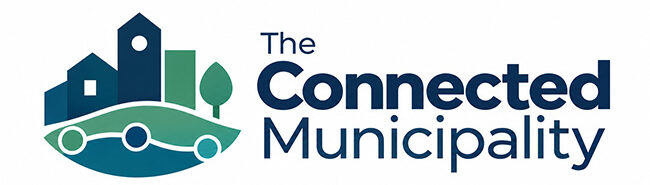
Council, Policies
& Documents
Help people find official municipal records and understand how they connect to decisions, meetings, and services.
Why it Matters
Official information is only useful when people can find the right record and trust that it is current. Clear organization, connected council records, and thoughtful document management can reduce confusion, improve transparency, and make municipal decision-making easier to follow.
Can a resident find upcoming council agendas and recent council decisions?
When it's working well
Agendas, minutes and recordings for each meeting are kept together and listed by date. People can search or filter by topic, such as a bylaw or a street name. It is clear which version is current, and a short summary explains what was decided.
Where to start
Give each meeting one page with its agenda, minutes and recording together. Post agendas on a regular schedule, with consistent titles and file names. Add a short "What council decided" summary at the top of each set of minutes.
If you don't have this yet
A document library with categories, dates and search can usually be added to your current website. If you use a meeting management system, link to its public portal from your council page instead of posting every file twice.
Ideas that help
Organization & Connected Records
APPROACH
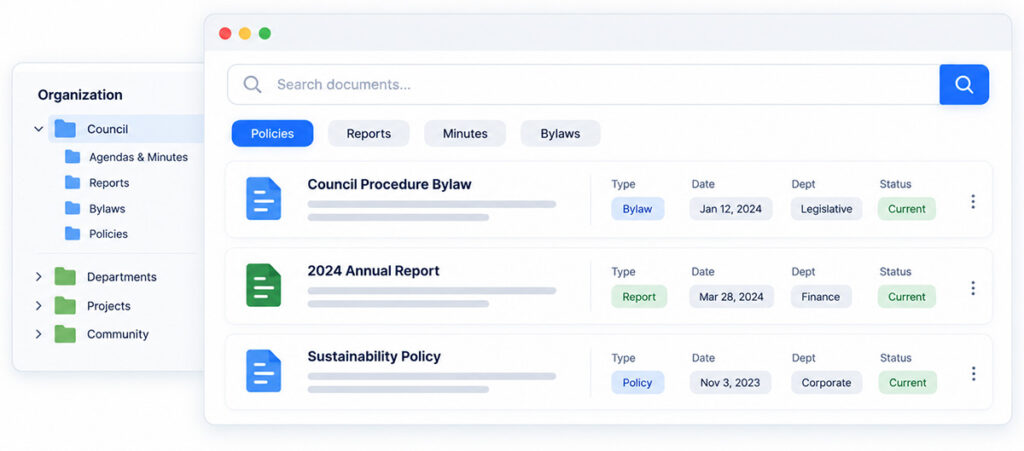
Organize documents consistently behind the scenes so people can find, understand, and connect them easily.
A strong document structure combines clear public-facing search and filtering with consistent back-end organization, using metadata, categories, naming standards, and relationships between records to make information easier to manage and easier to find.
Good document organization should:
Foundations
Document Lifecycle & Governance
FOUNDATION
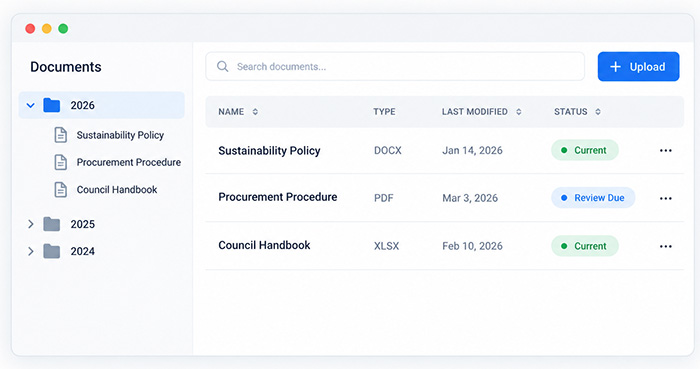
Keep official documents current, traceable, and properly maintained over time.
Policies, procedures, reports, and other official records often need to be reviewed, revised, replaced, or archived as circumstances change. Clear lifecycle controls help staff know what is current, what needs attention, and what should no longer be presented as active information.
Good document governance should:
Related ideas
- Meeting and document summaries (optional AI tool): help people understand long agendas, minutes and reports without reading every page.
How well does your website work for residents?
Take the free check-up. In about 20 minutes you'll walk through everyday situations, like reporting a pothole or finding a council agenda, and get a plain-language check-up report of what's working and what to tackle first.